icon
The Ultimate South Sea Pearl Jewelry Buyer's Guide

South Sea Pearl Jewelry Buyer's Guide

Quick Answer:

South Sea pearl jewelry is prized for its large sizes, natural White or Golden colors, and soft, glowing luster, making it the most luxurious pearl jewelry available today. — Ashley McNamara, Pure Pearls


Introduction To South Sea Pearls

Luminous and unmistakably luxurious, White and Golden South Sea pearls are among the rarest and most sought-after pearls in the world. Produced by the Pinctada maxima oyster, South Sea pearls are prized for their naturally occurring White and Golden colors, exceptional large sizes, and soft, satin-like luster. Recognized by the Gemological Institute of America (GIA) as the largest type of cultured pearl, they are often referred to as the “Queen of Cultured Pearls” and the “Rolls Royce of Pearls” - titles that quickly feel justified once you see their size, luminous glow, and presence.

With over 20 years of experience specializing in pearls and pearl jewelry, my South Sea Pearl Jewelry Buyer’s Guide is designed to give you clear, practical insights into buying South Sea pearl jewelry with confidence. Inside this South Sea pearl buying guide, you’ll learn what sets these pearls apart, from their tropical origins and storied history to the quality factors that affect value, including size, shape, luster, and natural color. We also cover how South Sea pearls are used in jewelry - from classic pearl necklaces to elegant earrings and refined pendants - along with realistic pricing guidance to help you plan your budget.

Use the Table of Contents below to jump to the sections that matter most to you, or read through the full guide to learn how to buy South Sea pearls like a professional.


South Sea Pearl Basics - What You Need to Know

South Sea Pearl Characteristics

  • White and Golden South Sea pearls are primarily for their  stunning natural colors. The Golden body colors for Golden South Sea pearls are completely natural, with no enhancements or dyes whatsoever. Their most common overtones are neutral gold, silver, rose and bronze. White South Sea pearls also feature a totally natural White body color, with classic overtones of silver, rose and cream.
  • South Sea pearls are known for their softer, more “satiny” luster. Both White and Golden South Sea pearls feature incredibly thick crystalline nacre layers, which means that light penetrating and bouncing back at the viewer has much farther to travel before reaching the eye. The return trip of the light wave diffuses and creates that softer, satin luster effect for the viewer - the pearls display more of an inner glow versus the glossy, mirror-like shine of the Japanese Akoya.
  • White South Sea pearls are primarily farmed in the open ocean, off the coast of Northern Australia. The town of Broome, AU houses the headquarters of the most famous and oldest cultivation operations, Paspaley Pearls.
  • Golden South Sea pearls are farmed throughout the island chain of the Philippines, traditionally in the protected lagoons and atolls of these tropical islands. A large percentage of each yearly harvest is produced by small family or community-owned farms, but the most famous Golden South Sea pearl producer by far is Jewelmer, located on Flower Island. Other Golden South Sea pearling areas are Burma/Myanmar (famous for their 24K Golden pearls) and Indonesian islands.
  • South Sea pearls are cultured in the pinctada maxima saltwater pearl oyster  which is the largest of all pearl-bearing oysters, growing up the size of a dinner plate at maturity (12-Inches or more). The silver-lipped p. maxima oyster produces the White South Sea pearls, and the gold-lipped p. maxima oyster creates the famous Golden South Sea pearls.
  • South Sea pearls are the largest of all cultured pearl types. Both White and Golden South Sea pearls range in size from the smallest 8.0-9.0mm pearls to 16.0mm– and much larger. The largest South Sea pearls seen in recent years measure over 21.0mm in size. These large pearls are absolutely the perfect choice for use in luxury high-end jewelry designs like one of a kind necklaces and diamond-accented pendants, earrings and cocktail rings.


What Makes South Sea Pearls Special?

How South Sea Pearls Are Graded


South Sea pearl jewelry is unique and valuable because it combines exceptional size, natural beauty, and true rarity in a way no other pearl type can. Produced by the large Pinctada maxima oyster, South Sea pearls routinely grow much larger than Akoya pearls and take significantly longer to form. This extended growth period, paired with limited farming regions in Australia and the Philippine Islands, results in pearls that are inherently scarce and visually commanding when set in necklaces, earrings, and pendants.

When buyers compare South Sea pearls vs Akoya pearls, the difference is immediately clear. Akoya pearls are smaller, have brighter, sharper luster, and more uniform in shape, making them ideal for classic, traditional styles. South Sea pearls, by contrast, offer greater size, thicker nacre, and a softer, satin-like luster that feels more luxurious and substantial.

In a South Sea pearls vs Tahitian comparison, Tahitian pearls are known for their darker body colors and dramatic overtones, while Golden and White South Sea pearls stand apart with their natural luminous colors and a cleaner, more ethereal appearance.

Ultimately, the value of South Sea pearl jewelry comes from presence as much as quality (they are named "The Queen of Cultured Pearls" for a reason). Larger pearls with rich luster naturally draw attention and makes a luxurious statement, increasing both their visual impact and cost. Because fine South Sea pearls represent only a small fraction of global pearl production, high-quality pieces hold long-term desirability, making them a top choice for buyers seeking luxury, distinction, and lasting value in pearl jewelry.


South Sea Pearl Jewelry Price & Value

How Much Do South Sea Pearls Cost


South Sea pearl jewelry commands higher prices becausetrue South Sea pearls are inherently rare and costly to produce. They are grown by the large Pinctada maxima oyster, require longer cultivation times, and are produced in limited quantities in Australia and the Philippine Islands. Only a small percentage of each harvest meets fine jewelry standards, especially in larger sizes with high luster and clean surfaces. This combination of time, scale, and scarcity is the foundation of South Sea pearl value.

When pricing South Sea pearl jewelry, more factors come into play than with loose pearls alone. In addition to individual pearl quality, jewelry pricing reflects matching consistency, overall layout, craftsmanship, and metal components. For example, a necklace requires dozens of pearls closely matched for size, color, shape, and luster, which dramatically increases rarity and cost. Earrings and pendants, while using fewer pearls, are still influenced by pearl size, nacre thickness, setting quality, and whether diamonds or premium gold findings are used.

At the  entry level, South Sea pearl jewelry typically includes smaller sizes, baroque shapes, or single-pearl designs such as pendants and stud earrings. These pieces deliver the signature size and South Sea pearl luster these pearls are known for at a more accessible price point.

At the high end, expect large, round pearls with exceptional luster, minimal surface characteristics, and precise matching, especially in full strands. These pieces represent the top tier of global pearl production and are priced accordingly.

So,are South Sea pearls worth it? For buyers who value size, natural color, and lasting quality, the answer is yes. South Sea pearl jewelry offers a level of visual presence and rarity that other pearl types simply cannot match. While the initial investment is higher, fine South Sea pearls hold long-term desirability, making them a meaningful purchase for those seeking enduring beauty rather than short-term trends.


The Best South Sea Pearl Necklaces To Buy

South Sea Pearl Value and Pricing


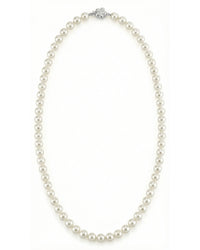
The very best South Sea pearl necklaces to buy will feature the South Sea pearls’ exceptional size, softly glowing luster, natural White and Golden hues and the effortless luxury that no other pearl type can match. The pearls that will make a striking statement whether they’re worn as a classic strand of pearls or as unique baroque pearls … their large sizes and gorgeous luminescence are absolutely unmistakable in the world of pearls.

The most popular South Sea pearl necklaces are the iconic White South Sea pearl necklaces ranging in size from 9.0-11.0mm and 10.0-12.0mm, and will shine with an icy, bright white silver overtone, beautifully reflective luster and subtle iridescence that appears to float over the surface of the pearls in different lighting. These are the South Sea pearl necklaces that are both the most versatile, elegant and have a beautiful presence without being overwhelming. Glowing Golden South Sea pearls are the next most popular South Sea pearl necklaces to buy, ranging from pale Champagne strands and medium-golden 14K Gold to deeper and more saturated 18K through 24K Gold (the rarest).

No matter which pearl strand you choose to buy, the best South Sea pearl necklace to buy will prioritize luster over everything else, especially size, shape or necklace length. Look for pearls with bright, nicely reflective luster, smooth surfaces and well-matched shapes; keep in mind that off-round or button-shapes can offer higher luster and iridescence but lower price points that are more affordable while still retaining that regal South Sea pearl aesthetic.


Shop Our Best South Sea Pearl Necklaces

Sold out

Sold out

Sold out

South Sea Pearl Jewelry Quality Factors Chart

Pearl Value Factor What To Look For Why It Affects Value

Size

Larger Pearls, Typically 10–15mm And Above

Larger South Sea Pearls Are Rarer And Take Longer To Grow, Increasing Value


Luster

Bright, Reflective Glow With Soft Depth

High Luster Indicates Thicker Nacre And Superior Overall Quality


Surface

Clean Appearance With Minimal Blemishes

Fewer Surface Marks Improve Beauty And Market Desirability

Shape

True Round Or Pleasing, Symmetrical Baroque Forms

Round Pearls Command Premiums; Attractive Baroque Shapes Still Hold Strong Value


Color (White vs Golden)

Natural White, Silver, Or Deep Golden Tones

Golden South Sea Pearls Are Rarer; Rich, Even Color Increases Value. White South Sea Pearls Are More Popular And Traditional

Nacre Thickness

Thick, Dense Nacre With Depth

Thicker Nacre Improves Durability, Luster Longevity, And Long-Term Value


South Sea Pearl History

South Sea Pearl History Aboriginal Pearl Divers

Early aboriginal oyster divers off the Australian coast are shown here at left.

Originally pearl diving was done exclusively without equipment because the native oyster population was so plentiful that most oysters were situated in easy to get to locations in shallow waters.

The divers primarily were after the oyster shells for their iridescent mother-of-pearl; actual whole pearls were initially considered a bonus find.

Diver's helmets on display in an Australian museum. The first use of heavy diving equipment was brought to the area by Japanese divers, beginning around 1885, and they are credited with modernizing the pearl fishing industry. 


South Sea Pearl History: Early Pearl Diving Helmet
South Sea Pearl History Graveyard Japanese Pearl Divers Australia

Australia has many graveyards filled with the graves of the early Japanese pearl divers. The Japanese divers were worked 20 days out of each month in the deeper waters of the open ocean, scouring the seabed for oysters.

Japanese divers were paid per-piece, so incentives were high for them to collect as many oysters as possible; these divers often brought in nearly triple the shells over their native competition. But that volume came at a very dear cost: the rates of accidents, injury and death was extremely high for Japanese divers.


P. maximaoyster shells were used for their thick, iridescent Mother-of-Pearl interior. The mother-of-pearl would be cut out of the shell to create buttons, inlays for flatware, jewelry and musical instruments as well as other ornaments and decorations.

At the height of the industry, p. maximaoyster shells accounted for 75% of the world's supply, and about 2,000 TONS of shells harvested per year.

The advent of faux mother-of-pearl substitutes that were easy to make and more affordable, along with WWII brought the Australian mother-of-pearl industry nearly to a close near 1940. Actual pearliculture didn't begin in Australia until a decade after the end of the war.

South Sea Pearl History Mother of Pearl Buttons
South Sea Pearl History William Saville Kent

The famous biologist William Saville-Kent was passionate about Australia's Great Barrier Reef, and the issue of re-populating the p. maxima oysters that had been over-fished to near extinction. Using the Chinese method, he successfully cultivated blister pearls in the p. maxima, and founded the first successful pearl farm in Australia.

He called it the Natural Pearl Shell Cultivation Company (est. 1906), and began producing whole, round cultured pearls - predating Mikimoto's . Today he is known as the Australian father of the cultured pearl industry (and quite possibly the unsung inventor of the most successful method for nucleating pearls - but that is a topic worth it's own page).

A "Pearly Queenie" princess dress from the 1800s, when mother-of-pearl buttons and accessories were in their heyday.

The love for the iridescent shell was so great that people sewed mother-of-pearl buttons on dresses, jackets, trousers, shoes, hats and more. Photo courtesy of the London Museum


South Sea Pearl History Mother of Pearl Button Dress

Cultured White South Sea pearls are relative newcomers to the cultured pearl markets - mainly due to the Australian governmental regulations that were created to protect the profitable mother-of-pearl industry. Pearl farming didn't begin in Australia in earnest until the 1950s.

Golden South Sea pearls have been fished by the native locals for hundreds of years, but like in Australia, the pearls were not highly prized and often given to children to wear and play with. The gorgeous iridescent golden shells were sought after however, and carved into intricate charms and jewelry.  

The discovery of these stunning shells and their pearls in the 1800's started a pearling rush in these areas, headed by the Dutch, English, French and Spanish ... the Japanese, Chinese and Arabians were also well-represented in the pearling rushes as well.

In all areas where p. maxima was fished, it was the mother-of-pearl shell that was the primary money-making export, with the valuable pearls being sold as rarities and treasures separately to private jewelers, collectors, heads of state and royalty.


The South Sea Pearl Farms

The tropical waters of the South Pacific and Indian Oceans are perfect for culturing these large sized pearls. The warmer temperatures increase the metabolism of the p. maxima oyster, and encourages a increased rate of crystalline nacre deposition.

Combined with the longer-than-average growth times for each pearl, this results in pearls with very thick nacre and beautiful luster and color.

South Sea Pearl Farming Areas Map

White South Sea pearls are cultured primarily on the Northern Coasts of Australia, andGolden South Sea pearls are mostly farmed in the Philippines.Indonesia cultures a mix of White and pale to light Golden South Sea pearls, and again the majority of the farms are smaller, family owned businesses. The largest operation for Indonesia is Atlas Pearl Company, near Kupang.


South Sea Pearl Farm

In the Philippines, the majority of pearl farms are small family or community-owned operations, but the largest and most famous pearl farming operation belongs to Jewelmer, located on Flower Island. Photo courtesy of Jewelmer

Nucleated oysters are placed in wire baskets which are anchored to long lines which gently drift in place with the warm ocean currents, giving the oysters clean waters to filter feed while they mature and the pearls grow inside. Divers periodically pull the oysters up to clean them and ensure they're in good health.

South Sea Pearl Diver Checking Oyster
Paspaley Pearling Boat

The largest pearl producer in Australia is the famed Paspaley Pearl Company, which accounts for over 80% of each year's White South Sea harvests.

Australia produces over half of all White South Sea pearls in the world, and they are known for their fine quality and clean, bright white colors.

A gleaming baroque White South Sea pearl is revealed at harvest. The silver-lipped pinctada maxima saltwater oyster is the largest of all pearl-bearing oysters, and creates the famous Queen of Cultured Pearls. Photo courtesy of Cygnet Bay Pearls

South Sea pearl harvest

South Sea Pearl Farming Facts:

  • South Sea pearls are "bead-nucleated", meaning that a spherical mother-of-pearl bead nucleus is surgically grafted into the oyster’s gonad to spark pearl formation. A 1.0mm square of donor mantle tissue from another oyster that has previously produced pearls of a very fine color is placed on top of the nucleus and the incision is sealed. The tiny pieces of donor tissue will influence the pearl’s resulting color and overtone.
  • South Sea pearls are harvested after a 2 year growth period,and the oysters are allowed to recuperate and then are nucleated again with a larger bead. South Sea pearl oysters are nucleated up to 3xs in their lives, and then are returned to the open ocean to replenish wild stocks and contribute to high quality genetics in the native population.
  • The oysters can secrete nacre at about 1.5-2.0mm per year, so average nacre thickness is 3.0mm to 4.0mm.
  • After harvest, the pearls are washed and scrubbed in a salt slurry which removes left over organic material, and are gently polished in a tumbler filled with waxed bamboo chips.
  • There is no additional processing to be done, as the pearls are naturally beautiful and colorful.*

South Sea pearl colors are famous for their un-enhanced, natural beauty. Most of the farmers for both White and Golden South Sea pearls belong to the South Sea Pearls Consortium (SSPC), which forbids any of their pearl-producing members from selling treated and/or color-enhanced pearls. This policy protects both its members and their pearls reputations on the world market, but is also a 30-year old guarantee of quality and natural, organic beauty for pearl buyers around the world.


Shop Our Most Popular South Sea Pearls

Sold out

Sold out

Sold out

South Sea Pearl Shapes

South Sea pearls from Australia and the Philippine Islands are admired not only for their size and luminous luster, but also for the beautiful range of shapes they produce. Each shape reflects the natural conditions in which the pearl formed, giving South Sea pearls a personality that feels both luxurious and organic.

Perfectly round South Sea pearls are the rarest and most prized of all. Growing a round pearl requires extraordinary balance inside the oyster over several years, and even the slightest disruption can change the final shape. Because of this, truly round pearls make up only a small portion of any harvest and command premium prices. Just behind them in rarity are smooth drop-shaped pearls, which offer elegant symmetry with a softer, more fluid silhouette that many collectors find just as desirable.

At the more expressive end of the spectrum are baroque South Sea pearls, which embrace individuality and artistic flair. Their organic forms, curves, and natural asymmetry create one-of-a-kind jewelry pieces, often paired with intense luster and striking orient. Baroque shapes don’t sacrifice beauty or quality; instead, they offer a more relaxed, creative way to wear South Sea pearls. Whether you’re drawn to classic symmetry or bold, sculptural character, South Sea pearl shapes allow you to choose a style that reflects your personality as much as your taste.

Common South Sea Pearl Shapes


For all pearl farmers, the mission to produce as many perfect "True Round" pearls is of the utmost importance.

Despite that, truly round pearls still only account for a tiny percentage of each year's harvests ...

This often means that building a South Sea necklace layout of perfectly round pearls, matched for body color, overtone, luster and surface quality can take years to accomplish, while the appropriate pearls are located and slowly added to the building necklace layout.


  • True Round pearls: less than 5% of each yearly harvest on average
  • Near-Round South Sea pearls: 20% of each yearly harvest (approximately).
  • Symmetrical Drop-Shapes: about 50% of each pearl harvest.
  • Baroques and Circled Baroque pearls make up the rest of the yearly yield. 

Golden South Sea Keshi Pearls


Keshi pearls (pictured above) are a little-heard-of collector's item that are quite lovely and unique in their own right. Keshi pearls are not strictly considered cultured pearls ... these pearls are actually a by-product of the pearl growth process.

Occasionally, a tiny piece of nacre will break away from the main body of the pearl while it's forming, and begin acquiring its own pearl sac. When this happens, the irritant begins to become an independent pearl on its own. Keshi pearls are 100% solid crystalline nacre (having no bead nucleus), and are generally small in size and free-form baroque in shape.


South Sea Pearl Colors

South Sea pearls display natural colors of white or varying shades of gold.

The White South Sea pearls from Australia are primarily a bright and even silver-white body color, and White South Seas from Indonesia often feature a warmer, more creamy white body.

The range of natural Golden South Sea pearl colors is quite wide, and can roam from pale, lemony yellows to nearly orange/copper hues.

South Sea Pearl Colors

Common South Sea Pearl Body Colors (primary colors):

White South Sea Pearl Body Colors

For White South Sea Pearls

  • Neutral White 
  • Blue-White
  • Cool White
  • Warm White


For Golden South Sea Pearls

  • Pale Yellow
  • Lemon Yellow
  • 10K Light Gold
  • 14K Medium Gold
  • 18K Medium-Deep Gold
  • 22-24K Deep Gold


Golden South Sea Pearl Body Colors

Popular South Sea Pearl Overtones

There are many primary body color and overtone combinations when it comes to White and Golden South Sea pearls – this will just be a short list of the most common. The intensity of the primary color and saturation of overtone does vary from pearl to pearl - this is where a skilled eye for color matching become very important.

Pearls with pronounced iridescence and saturated colors are considered more valuable, all other factors like luster, shape, surface quality and size being equal.


White South Sea Pearl Overtones

The Most Popular and Famous White South Sea Pearl Overtones are:

  • Silver – Extremely popular, this is a bright white with a hint of ephemeral blue to cool the overall tone.
  • Rose – The most rare. Rose is a hint of pink over the warm or cool white body color.
  • Cream/Ivory – Fairly common, the ivory overtone adds a touch of French Vanilla warmth.
  • Silver-Blue – Somewhat rare. The silver overtone has so much blue is in it, that the pearl appears blue to blue-ish grey.

Golden South Sea Pearl Overtones

The Most Popular and Famous Golden South Sea Pearl Overtones are:

  • Rose – A hint of iridescent pink over the primary Golden body color.
  • Silver – Very common overtone for Golden South Seas. This is a soft, shimmery whitish sheen over a Gold body color – almost “neutral”, but lightens up the pearl a bit.
  • Neutral Gold – Incredibly common. The neutral gold overtone is exactly what it sounds like - additional gold over the primary Golden body.
  • Bronze – A unique overtone that can make the pearls really "pop", but can be difficult to wear. Bronze is actually an iridescent green that can be pale or saturated, laid over the Golden body color.
  • Champagne - Very rare. Champagne is a mix of silver and rose, with strong flashes of iridescent violet colors. It's a complex color-combination and very visually appealing - excellent for blondes, redheads and women with pink undertones in their skin.

Champagne Golden South Sea Pearls

The photo above features one of my favorite, most colorful overtones for Golden South Sea pearls: Champagne. Champagne is a very rare overtone, and an unique combination of very pale yellow/gold body color with a mix of silver, rose and purple-violet flashes.


Shop Our Colorful South Sea Pearl Jewelry

Sold out

Sold out

Sold out

South Sea Pearl Sizes

The South Sea pearl oyster, p. maxima,  is the largest of all pearl-bearing oysters, growing to about a foot in diameter at maturity. This allows the oyster to be nucleated with large mother-of-pearl beads, producing the largest pearls in the world.

Size ranges for South Sea pearls range from 8.0-9.0mm through 16.0-17.0mm and larger. The largest White South Sea pearls ever harvested have reached 21.0mm (Paspaley) and 22.4mm (Cygnet Bay Pearls). 

The pearls ranging from 9.0-10.0mm through 13.0-14.0mm sizes are the most popular pearl sizes to buy, with the 11.0-12.0mm size for earrings being the most beloved, and most common necklaces ranging from 9.0-11.0mm, 10.0-12.0mm and 11.0-13.0mm in size.

South Sea Pearl Sizes

Pro-Tip: Each whole millimeter increase in pearl size equates to a 20-25% larger pearl on average.

So an 11.0-12.0mm South Sea pearl will be twice as large as a 9.0-10.0mm pearl.


👉Learn More: Pearl Size Guide


South Sea Pearl Necklace Sizes

Typically, most White or Golden South Sea pearl necklaces - both round and baroque shapes - are laid out in a “Graduated”  design.

This means that the pearls will begin near the clasp at their smallest size, and gradually increase throughout the layout, culminating in nice large center section.

Traditionally, these graduation rates span 2.0-3.0mm on average, so you'll often encounter necklace descriptions with measurements reading 10.0-12.5mm, or 9.0-12.0mm and so on.

South Sea Pearl Neckalces - What is a Graduated Strand?

This Light Golden South Sea Pearl Necklace had a typical graduation rate of 10.6-13.2mm


“Non-Graduated” necklaces  are layouts featuring pearls that do not increase in size more than 1.0mm from the smallest to largest pearls. These layouts would read 11.0-12.0mm, for example.

“Non-Graduated” South Sea Pearl Necklaces take much, much longer to assemble, and so are rarer and more expensive. The pearl sorters at the farms have a narrower range of pearls to work with while creating a "Non-Graduated" layout, and a full strand of perfectly matched South Sea pearls can take years to create.


Shop Our Most Popular South Sea Pearl Necklaces

Sold out

Sold out

Sold out

South Sea Pearl Grading

Pure Pearls employs the ‘A-AAAA’ Grading System for all our South Sea pearl jewelry. With the A-AAAA Scales, ‘A’ denotes the lowest, commercial grade pearls, and ‘AAAA’ represents the finest pearl quality of each yearly harvest.

The A-AAAA Grading Scale converts easily from the A-D Grading Scale used on the pearl farms in Australia and the Philippines, and takes into account the seven major pearl attributes. These are:

  • Surface Quality (blemishing)
  • Luster
  • Color / Overtone Depth
  • Symmetry of Shape
  • Pearl Size
  • Matching
  • Origin / Cultured or Natural


When evaluating aSouth Sea strand before you buy it, it’s important to understand that shape does not change the grading scale, only how certain factors are weighed. Baroque, semi-baroque, drop-shaped, and round South Sea pearls are all assessed using the same A–AAAA quality scale, ensuring buyers can compare overall quality consistently across different styles.

For non-round South Sea pearls, however, visual balance and harmony become especially important. Pearl specialists look closely at how pleasing and symmetrical the shape appears, and how well multiple pearls match one another within a strand or piece of jewelry. A beautifully proportioned drop-shaped pearl or a well-matched baroque strand can rank very highly when these elements are executed right.

Size is also not a grading factor, but a value factor, since pearls of any size can achieve top quality ratings. Instead, size plays a major role in pricing, as larger South Sea pearls are far rarer and therefore significantly more valuable. Understanding this distinction helps buyers focus on true quality while appreciating why size has such a strong influence on price.

The chart below shows the full A-AAAA Quality Grading Scale for South Sea pearls, and what you can expect to see at each grading bench mark, and how the pearls will qualify for their grade.


A-D South Sea Pearl Grading Chart


The Pure Pearls “AAA Quality Minimum” policy for South Sea pearl earrings, pendants and rings has been in place for over two decades. This ensures you’ll always receive only the highest quality pearl jewelry with every purchase.

Our AAA Quality Minimum policy guarantees that any South Sea pearl pendant or pair of South Sea pearl earrings will set clean on the front and sides, and that every South Sea pearl jewelry purchase looks absolutely beautiful for decades to come.


Should I Buy AAA or AAAA Quality South Sea Pearls?

Great question. When choosing between AAA and AAAA quality South Sea pearls, the goal is to balance beauty with budget, not to assume that “higher” always means “better for you.” Both grades represent fine-quality South Sea pearls and deliver the size, luster, and presence South Sea pearls are known for.


  • Very High to Excellent Luster
  • Perfectly Round and/or Symmetrical Baroque and Drop Shapes
  • Excellent Matching Throughout
  • Beautiful, Even Color Saturation and Overtones
  • Fine Presentation When Worn

The difference between AAA and AAAA Quality South Sea pearls lies in aesthetics, not strict grading labels.

AAAA Quality South Sea pearls show the highest levels of luster, cleaner surfaces, and tighter matching, making them ideal for collectors, statement necklaces, or buyers who want the very best available. AAA Quality pearls, on the other hand, may show minor surface characteristics or slightly softer luster that are often invisible once worn (and to casual observers not familiar with fine pearls), offering exceptional beauty at a more accessible price.

For most buyers, AAA South Sea pearls provide outstanding value and are an excellent choice for everyday luxury jewelry, earrings, and bracelets. AAAA pearls make the most sense when perfection, symmetry, and top-tier rarity are the priority. In short, both grades are beautiful, and your decision should be guided by how the jewelry will be worn, not just the grade presented.


AAA or AAAA Quality South Sea Pearl Necklaces

Pro-Tip: Every South Sea Pearl Necklace listed on PurePearls.com is a totally unique, one of a kind necklace. Ashley herself selects each necklace in this highly curated collection. Pearl necklaces are hand-picked for stunning colors or overtones, particularly bright luster or an artistically arranged layout. Our South Sea Pearl Necklace collections are continually updated, and we do our very best to provide new pearls for everyone to admire at a range of price points for every budget.

While shopping for a pearl necklace, it's helpful to keep in mind that cultured pearls are the result of a natural, biological process. As such, pearls can never be completely, flawlessly perfect.

The goal is not to find perfectly characterless round beads - that's what Swarovsky crystal pearls are for. With pearls, we aim to bring you precious gemstones that sparkle with character and personality that will become yours and yours alone.

Our standing recommendation is to always look to find pearl luster and colors that you can fall in love with first, then consider other factors like size or surface quality.


South Sea Pearl Jewelry Types

South Sea Pearl Jewelry Style Guide

Luxurious South Sea pearls have been used to create some of the most beautiful and impressive pearl jewelry designs the pearl world has ever laid eyes on. Our South Sea pearl jewelry collections include styles from the traditional classics like pearl stud earrings to more couture designs sparkling with diamonds and precious colored gemstones. Every design is created by hand, to order here in our Los Angeles, CA production offices.

High quality South Sea pearl jewelry should all be matched to near-perfection with very little to slight variation in size, shape, body color and overtone (Multi-color layouts are excepted here), luster and surface quality.

Pure Pearls has curated a stunning collection of White and Golden South Sea pearls to suit every desire and price point. We truly do have something for everyone to fall in love with.

Whether you’re looking for a timeless staple or a statement piece, South Sea pearl jewelry offers clear options based on how bold you want the look to be, how often you plan to wear it, and your budget comfort zone.

Below is a practical breakdown of the most popular South Sea pearl jewelry types, including what sizes buyers typically choose, how they’re worn, and what price ranges to expect.


South Sea Pearl Jewelry Types & Buying Considerations

Jewelry Type Typical Pearl Size Best For Price Expectations

South Sea Pearl Necklaces

10–15 mm+

Statement Pieces, Formal Wear, Collectors

Highest Investment Due To Pearl Count And Matching

South Sea Pearl Earrings

9–13 mm

Everyday Wear (Studs), Events (Drops)

Mid-Range; Studs Are The Most Accessible

South Sea Pearl Pendants

9–13 mm

Daily Wear, Gifts, Versatility

Entry-Level Pricing For South Sea Pearls


South Sea Pearl Necklace Styles

Most South Sea pearl necklaces are traditionally finished at 18-inches including the clasp, which is the most versatile length for single-strand styles, and is considered the "Modern Classic" pearl necklace length. That said, we regularly create custom layouts across all designs, including classic single strands, Baroque South Sea pearl necklaces, Multi-Color pearl necklaces, and modern Tin Cup styles. Length, spacing, and pearl arrangement can all be adjusted to suit personal style or layering preferences.

Every strand is individually double-knotted by hand between each pearl using fine, color-matched silk thread to protect the pearls and maintain long-term durability. We complete each necklace with matching 14K Gold clasps and 14K Gold French wire-wrapping, reinforcing the ends so the necklace holds up to regular wear and everyday handling without compromising craftsmanship or security.


South Sea Pearl Necklace Styles - Round Single Strand Pearl Necklace

True Round White & Golden South Sea Pearl Necklace

The classic South Sea pearl necklace, available in both natural White and rich Golden hues, features pearls arranged in a carefully matched layout for consistent color, size, and luster.

True round White and Golden South Sea pearl necklaces typically range from approximately $6,000 to $40,000 or more, depending on pearl size, surface quality, color saturation, luster, and overall matching. When worn at 18-inches, the necklace generally rests about 1.5 to 2-inches below the hollow of the throat, creating a balanced and timeless presentation that highlights the pearls’ natural beauty.

Baroque, Drop-Shaped & Circled Baroque White and Golden South Sea Pearl Necklaces

Baroque, Drop-shaped and Circled Baroque South Sea pearl necklaces offer a more organic, expressive take on classic pearl jewelry. These strands feature pearls with romantic drop-shapes, soft rings or more pronounced circles, which add texture and visual interest while showcasing the natural character of South Sea pearls.

Because surface circling helps disguise minor variations, Baroque and Circled Baroque South Sea pearl necklaces are especially well suited for everyday wear and relaxed luxury styling. They deliver the size and presence South Sea pearls are known for at a more approachable price point, typically ranging from approximately $3,000 to $10,000, depending on pearl size, luster, color quality, and overall matching.

South Sea Pearl Necklace Styles - Baroque Pearl Necklaces
South Sea Pearl Necklace Styles - Multi-Color Pearl Necklaces

Multi-Color South Sea Pearl Necklaces

Multi-color South Sea pearl necklaces blend pearls of varying natural hues to create a look that feels rich, distinctive, and intentionally styled rather than uniform. While many multi-color strands focus on White and Golden South Sea pearls, true Multi-Color designs can also incorporate Tahitian pearls for darker contrast and even select Freshwater pearls to add subtle accent tones and visual depth.

This mix of pearl types allows for greater creativity in layout and color flow while still maintaining a cohesive, high-end feel. Multi-color South Sea pearl necklaces are ideal for buyers who want something less traditional, more expressive, and versatile enough to pair with a wide range of wardrobes, from casual luxury to formal wear.

South Sea Pearl Tin Cup Necklaces

South Sea pearl Tin Cup necklaces offer a modern, lightweight take on classic pearl jewelry. Instead of a continuous strand, pearls are spaced along a fine gold chain, creating an airy, elegant look that highlights each pearl individually.

Tin Cup necklaces are especially popular for everyday wear and layering, as they feel less formal than traditional strands while still delivering the size and presence South Sea pearls are known for. Their flexible design, comfortable drape, and contemporary styling make them a favorite for buyers who want luxury pearls with a relaxed, wearable feel.

South Sea Pearl Necklace Styles - Tin Cup Necklaces

Shop Our Most Popular South Sea Pearl Necklaces

Sold out

Sold out

Sold out

South Sea Pearl Earring Styles

South Sea pearl earrings can be as luminous as the full moon - their radiant glow and shifting, shimmering iridescence is guaranteed to get noticed. Choose from Pure Pearls' tastefully curated collection of earring designs from a timelessly classic pair of South Sea pearl stud earrings, to adding a touch of modern glitz and glamour with chic dangle earrings and sparkling diamond-accented designs.

Pro-tip: Because South Sea pearls are on the larger side, we recommend sticking with dangle styles once pearls reach over 13.0mm in size to avoid these weightier pearls dragging on the earlobe.


South Sea Pearl Earring Styles - Classic Stud Earrings

South Sea Pearl Stud Earrings

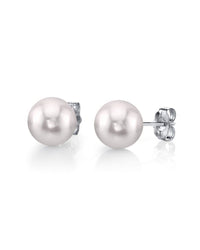
South Sea pearl stud earrings are the most classic and versatile way to wear South Sea pearls. By keeping the design simple, stud settings highlight what matters most: the pearls’ large size, natural White or Golden color, and soft, satin-like luster. They offer a refined look that works equally well for everyday wear, professional settings, and formal occasions.

Because South Sea pearls have thick nacre and strong visual presence, stud earrings provide lasting beauty without feeling overstated. Set in fine gold, they are comfortable, durable, and timeless, making them an ideal choice for first-time buyers as well as collectors seeking an elegant staple piece.

South Sea Pearl Dangle Earrings

South Sea pearl dangle earrings highlight the size and elegance of South Sea pearls while adding graceful movement and visual impact. The suspended design allows light to interact with the pearls from multiple angles, enhancing their soft luster and natural White and Golden hues.

Dangle styles range from clean, minimalist designs to more refined settings with gold detailing or subtle diamond accents. They are ideal for buyers who want something more expressive than studs while still maintaining a balanced, sophisticated look suitable for evening wear, special events, and elevated everyday styling.

South Sea Pearl Earring Styles - Classic Dangle Earrings
South Sea Pearl Earring Styles - Diamond and Pearl Earrings

South Sea Pearl and Diamond Earrings

South Sea pearl and diamond earrings combine the soft, natural luster of South Sea pearls with the brilliance of fine diamonds for a refined, elevated look. The contrast between the pearls’ satin glow and the sparkle of diamonds adds depth and dimension without overpowering the pearls themselves.

These designs range from subtle diamond-accented studs to more elaborate drop and dangle styles, making them well suited for formal occasions, milestone gifts, and statement jewelry. South Sea pearl and diamond earrings offer a balance of timeless elegance and modern luxury, appealing to buyers who want classic pearls with added brilliance.


Shop Our Most South Sea Pearl Earrings

Sold out

Sold out

Sold out

South Sea Pearl Pendant Styles

South Sea pearl pendants will never go out of style. From simple, classic solitaire pendants to more ornate designs sparkling with SI1 diamond accents, Pure Pearls offers a pendant design for everyone to love. All of our South Sea pearl pendants are chosen from our AAA-Quality-Only lots, and mounted in your choice of solid 14K and 18K Gold.

Bigger is usually better with South Sea pearl pendants, so don't be afraid to go for some glamour. These pearls balance beautifully against the expanse of chest and the body as a whole.


South Sea Pearl Pendant Styles - Pearl Solitaires

South Sea Pearl Solitaire Pendants

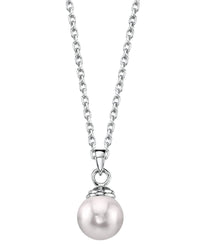
South Sea pearl solitaire pendants offer a clean, understated way to showcase the natural beauty of a single South Sea pearl. With no additional gemstones competing for attention, the focus stays on the pearl’s large size, soft luster, and natural White or Golden color, making this style timeless and effortlessly elegant.

Suspended from a fine gold chain, solitaire pendants are lightweight, comfortable, and ideal for everyday wear. Their simplicity also makes them highly versatile, pairing easily with both casual and formal looks while remaining a staple piece that highlights the quality and craftsmanship of the pearl itself.


South Sea Pearl and Diamond Pendants

South Sea pearl and diamond pendants pair the natural elegance of a South Sea pearl with the refined sparkle of diamonds for a balanced, luxurious look. The diamonds are typically used as subtle accents, enhancing the pearl’s soft luster and natural White and Golden colors without distracting from its size and presence.

This style is ideal for buyers who want something more elevated than a solitaire pendant while still remaining timeless and wearable. South Sea pearl and diamond pendants work beautifully for special occasions, meaningful gifts, and everyday luxury, offering a classic design with just enough brilliance to stand out.


South Sea Pearl Earring Styles - Pearl and Diamond Pendants
South Sea Pearl Pendant Styles - Pearl on Leather Necklaces

South Sea Pearl on Leather Pendants

South Sea pearl on leather pendants offer a relaxed, contemporary alternative to traditional pearl jewelry. These designs typically feature Baroque South Sea pearls, chosen for their organic shapes and natural character, which pair especially well with the casual texture of leather.

The contrast between a substantial South Sea pearl and a simple leather cord creates an understated yet distinctive look that works well for everyday wear. This style appeals to both men and women alike, who want the size and presence of South Sea pearls in a more modern, informal format that feels effortless rather than traditional.


Shop Our Most Popular Pearl Pendants

Sold out

Sold out

Sold out

South Sea Pearl Bracelet Styles

South Sea pearl bracelets in natural White and Golden hues showcase the luminous luster, large size, and a quiet rarity that make South Sea pearls the most luxurious pearls in the world. Their soft, luminous glow and naturally occurring colors create an elegant presence on the wrist, whether styled as a refined accent or a statement piece.

Available styles include single-strand true round pearl bracelets, Baroque South Sea pearl bracelets with more organic character, and pearl-on-leather designs for a relaxed, contemporary look. Each bracelet isindividually knotted by hand with fine, color-matched silk thread to protect the pearls and ensure flexibility, then finished with 14K Gold clasps and reinforced French wire-wrapping so the bracelet is secure and comfortable for daily wear.


South sea Pearl Bracelet Styes - Classic Round Single Strand Pearls

Round South Sea Pearl Bracelets

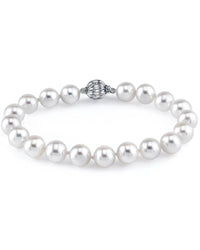
True round South Sea pearl bracelets highlight the natural beauty of South Sea pearls in their most classic and refined form. Featuring pearls in natural White or Golden hues, these bracelets showcase the pearls’ large size, soft satin luster, and quiet rarity, creating an elegant look that feels timeless rather than trendy.

Each bracelet is individually hand-knotted with fine, color-matched silk thread to protect the pearls and allow natural movement, then finished with secure 14K gold clasps and reinforced French wire-wrapping, ensuring durability and confidence for daily wear.

Baroque South Sea Pearl Bracelets

Baroque South Sea pearl bracelets celebrate the natural character and individuality of South Sea pearls. Featuring pearls with organic shapes and subtle variations, these bracelets highlight the pearls’ large size, luminous luster, and natural White or Golden color in a way that feels relaxed yet refined.

Because baroque pearls are less uniform, they offer a more approachable, wearable style that works especially well for everyday luxury.


South Sea Pearl Bracelet Styles - Baroque Pearls
South Sea Pearl Bracelet Styles - Pearls on Leather

South Sea Pearl on Leather Bracelets

South Sea pearl on leather bracelets offer a modern, understated way to wear South Sea pearls with everyday ease. These designs typically feature a baroque South Sea pearl, chosen for its organic shape and natural character, paired with a supple leather cord that contrasts beautifully with the pearl’s luminous luster and natural White or Golden color.

The combination of a substantial South Sea pearl and leather creates a relaxed, contemporary look that feels intentional rather than formal.


Shop Our Most Popular South Sea Pearl Bracelets

Sold out

Sold out

Sold out

How to Choose the Best South Sea Pearl Jewelry

South Sea Pearl Jewelry Buying Tips


Choosing the best South Sea pearl jewelry starts with how you plan to wear it, not abstract grading charts. South Sea pearls are versatile enough to suit very different lifestyles, and the “right” choice depends on whether the piece is meant to mark a milestone, elevate daily style, or become part of a long-term collection.

For weddings and special occasions, buyers often gravitate toward classic, refined designs that photograph beautifully and feel timeless years later. South Sea pearl jewelry for weddings include classic single strand White South Sea pearl necklaces, elegant stud earrings, and subtle diamond-accented pieces, which work especially beautifully for bridal jewelry. White South Sea pearls are the most popular choice here due to their soft glow and versatility, though golden pearls can make a striking statement for less traditional looks.

For everyday luxury, comfort and wearability matter most. Stud earrings, pendants, and baroque pearl designs offer the size and luster South Sea pearls are known for without feeling overly formal. Slightly organic shapes are often a smart choice for daily wear because they’re forgiving, visually interesting, and typically more approachable in price. These pieces are designed to be enjoyed regularly rather than saved for special occasions.

For collectors or investment-minded buyers, focus shifts to rarity and refinement. Large sizes, exceptional luster, clean surfaces, and strong matching are key, especially in necklaces and matched earring pairs. True round pearls and well-matched strands hold the strongest long-term desirability as a South Sea pearl jewelry investment, particularly in natural Golden hues or top-quality White South pearls. For these buyers, South Sea pearl jewelry isn’t just an accessory; it’s a long-term asset built around scarcity, craftsmanship, and enduring appeal.


Final Tips For South Sea Pearl Buyers

Before making a final decision, take a moment to step back and focus on how the jewelry will actually be worn. South Sea pearls are a meaningful purchase, and the best choice is one that fits your lifestyle as much as your personal aesthetics. Pay attention to size, setting, and overall design ... larger pearls make a statement, but slightly smaller or baroque pearls often feel more comfortable and versatile for regular wear.

It’s also important to buy with confidence and transparency. South Sea pearls should always be sold with clear information about origin, natural color, and quality factors like luster and nacre thickness. Real-life photography and detailed descriptions help set realistic expectations and ensure the jewelry you receive matches what you envisioned.


Shop Our Most Cherished South Sea Pearls

Sold out

Sold out

Sold out

South Sea Pearl Buyer's Guide FAQs

Are South Sea Pearls Worth The Price?

Yes, South Sea pearls are worth the price for buyers who value size, rarity, and long-term quality. They are produced by the largest pearl oyster in the world, grow slowly over 2-3 years, and naturally form in white and golden colors, which makes fine South Sea pearl jewelry significantly rarer and more valuable than other pearl types. Their thick nacre and soft, satin luster also contribute to better durability and lasting beauty over time.

Why many buyers consider them worth it:

  • Larger sizes and natural colors mean higher rarity and prestige compared to Akoya or freshwater pearls

  • Thick nacre and high luster give South Sea pearls longer wear life and stronger long-term value


How Much Does South Sea Pearl Jewelry Cost?

South Sea pearl jewelry typically costs more than other pearl types due to its size, rarity, and natural color. Prices can range from a few thousand dollars for simple earrings or pendants to tens of thousands for high-quality necklaces, depending on pearl size, luster, surface quality, and matching.

What most affects the price:

  • Larger pearls with high luster and clean surfaces command significantly higher prices

  • Necklaces cost more than earrings or pendants due to pearl matching and overall pearl quality consistency


What Is Better, White Or Golden South Sea Pearls?

Neither White nor Golden South Sea pearls are objectively better ... the right choice depends on personal style, skin tone, and how the jewelry will be worn. White South Sea pearls are known for their clean, classic elegance, while Golden South Sea pearls are rarer and prized for their rich, naturally occurring color.

How to choose between them:

  • White South Sea pearls suit traditional, bridal, and everyday luxury looks with broad versatility, and are generally more popular

  • Golden South Sea pearls stand out as statement pieces and often command higher prices due to rarity


Are South Sea Pearls Good For Everyday Wear?

Yes, South Sea pearls can be worn every day if they are set properly and cared for correctly. Their thick nacre makes them more durable than many other pearl types, but they are still organic gemstones and should be treated more gently than diamonds or sapphires.

What makes them suitable for daily wear:

  • Thick nacre provides better resistance to wear compared to thinner-nacred pearls, like Akoya pearls

  • Keep the pearls away from sharp metals while storing them to avoid scratching the delicate nacre


How Do South Sea Pearls Compare To Akoya Pearls?

When comparing South Sea pearls vs Akoya pearls, the difference comes down to size, appearance, and overall luxury. In a South Sea vs Akoya comparison, South Sea pearls are much larger with a softer, satin-like luster, while Akoya pearls are smaller, brighter, and known for their sharp mirror-like shine.

Key differences to consider:

  • South Sea pearls offer larger sizes, thicker nacre, and a more luxurious presence than Akoya pearls

  • Akoya pearls are more affordable and classic, making them ideal for traditional, everyday pearl jewelry


What Size South Sea Pearls Are Best For Jewelry?

The best South Sea pearl size for jewelry depends on the piece and how bold a look you want. Most buyers choose pearls between 10–13 mm for earrings and pendants because they balance presence and wearability, while 11–14 mm pearls are preferred for necklaces where size and visual impact matter most.

General size guidance:

  • 10–12 mm works well for everyday jewelry, offering elegance without feeling oversized

  • 13–14 mm and larger create statement pieces and carry higher value due to rarity


Is South Sea Pearl Jewelry A Good Investment?

South Sea pearl jewelry can be a good long-term store of value, but it should be viewed as a luxury purchase rather than a short-term financial investment. High-quality pieces with large sizes, excellent luster, clean surfaces, and strong matching tend to hold value better over time, especially as fine South Sea pearls become increasingly rare.

When South Sea pearl jewelry makes sense as an investment:

  • Top-quality pearls with thick nacre and natural white or golden color retain desirability and scarcity

  • Classic designs like necklaces and stud earrings have more lasting resale and heirloom value


Author

About the Author

Ashley McNamara

Ashley McNamara, of PurePearls.com, is a GIA-certified expert in Pearls, Diamonds, and Colored Stones and widely recognized as “the expert’s expert” in the pearl industry. With over 20 years of experience, she contributed to the CPAA’s Pearls As One educational course and has been cited by major news outlets nationwide. Ashley's keen eye for color and luster make her a trusted source for classic and exotic pearls alike. Explore her bestselling collections here.

Ready to Learn More About Pearls? Visit:

Brand Icon

Become a Pure Member

Stay up to date on our latest products, news, discounts, and more!

Get it Quick

Free 2-Day FedEx on all orders within the USA. Overnight delivery options start at $35.

Orders Ship Fast

Most orders ship within 1-2 business days, sometimes same day.

We Ship Worldwide

International shipping is affordable and fast. Most international packages arrive in 2-4 business days.

Worry Free Delivery

Your package is fully insured. If your order is lost or stolen before delivery, we got you covered.

Pure Pearls Pricing

Traditional Retail Pricing