Your Cart ( 0 )
15% Off June Birthstone Sale
*Free 2-day FedEx on US orders
15% Off June Birthstone Sale
*Free 2-day FedEx on US orders

“Choose pearl color by how you plan to wear it. White and cream are the most versatile and formal. Black Tahitian and Golden South Sea make bold statements. I recommend matching the pearl's color and overtone to your skin tone and wardrobe, then prioritize luster and clean surfaces.” – Ashley McNamara, Pure Pearls
The most popular pearl color in the world is white - typically white Akoya pearls which are the most popular - followed closely by the exotic beauty of black Tahitian pearls. But pearl color is more than just what you see at first glance - it’s actually made up of two parts.
The two parts that make up a pearl's color are the body color, or the main color of the pearl itself, and the overtone, the subtle layer of translucent color that appears to float on the surface and adds depth and glow. Together, these elements create the rich variety of shades and moods pearls are known for. GIA defines pearl color as body color plus overtone and orient, which helps explain why no two pearls are ever exactly alike.
For anyone asking “what pearl color should I buy?” the answer is both simple and endlessly fascinating. There are pearl types available in a rainbow of colors: white, black, gold, pink, lavender, peach, and even rare shades like blue or green.
Deciding “which pearl color is best” depends on your personal style, the occasions you’ll wear them, and the impression you’d like to make. Each shade carries its own character and symbolism, giving you the freedom to buy pearls in color that feels most like you.
This handy guide to Pearl Colors is here with tons of gorgeous photos, complete descriptions of the rainbow of pearl colors to choose from and recommendations on which pearl color you should buy depending on skin tone, complexion and personal aesthetics.
GIA classifies cultured pearls into 4 major pearl types: Akoya, Freshwater, Tahitian and South Sea pearls. Each one has its own place in terms of occasions to wear them to, their own unique colors and various overtones.
For example, Tahitian pearls are renowned for their Peacock, Green and Blue-Green overtones among many others, while Akoya pearls feature pastel overtones of Rose, Silver or Cream/Ivory.
The chart below details each major pearl type, their range of traditional colors and what you'd want to buy for various occasions and milestones.
| Pearl Type | Typical Body Color | Typical Overtones | Buying Notes |
| White, Silver, Cream | Rose, Silver or Cream | Ideal for Bridal, Anniversaries and Special Occasions | |
| White, Pink, Peach and Lavender | Rose, Cream and Silver among others | Best Value for Everyday Wear and Young Wearers | |
| Pale Silver to Very Dark Charcoal Grey | Peacock, Green, Blue-Green, Rose among others | Statement Pearls, Natural Black Hues with Iridescent Overtones | |
| White to Deep Golden | Silver, Rose and Cream to Neutral Gold, Silver, Rose and Bronze | Statement Pearls, Largest Pearl Sizes, Natural Silvery-White and Gold Hues |
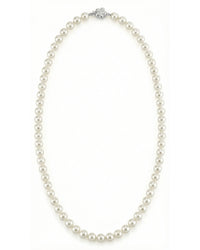
Akoya Pearls
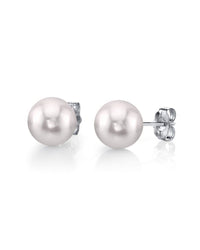
Freshwater Pearls
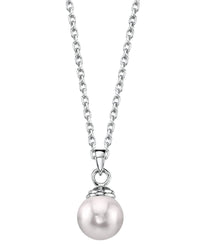
Tahitian Pearls
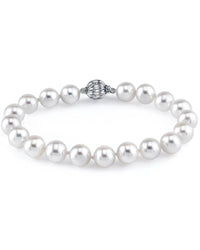
South Sea Pearls
Use the Table of Contents below to navigate this article to view pictures and descriptions of the most common pearl colors.
The most expensive pearl colors are typically white, followed byblack, and then Golden pearls. This pricing structure is driven not only by their popularity with shoppers, but also by their relative rarity in the pearl markets.
For Tahitian pearls, the black pearl price often reflects the unique beauty and limited availability of these rare and exotic pearls, which are cultivated only in the warm lagoons of French Polynesia. Golden South Sea pearls, while stunning, are produced in even smaller numbers, making them rare treasures, but often slightly less in demand compared to the timeless allure of classic white strands.
| Color Family | Typical Types | Entry | Fine | Top Gem |
| White | Akoya, White South Sea, Freshwater | $100 - $500 | $300 - $2,500 | $2,500 + |
| Black | Tahitian | $300 - $800 | $800 - $5,000 | $5,000 + |
| Gold | Golden South Sea | $1,000 - $3,000 | $3,000 - $10,000 | $10,000 + |
| Pastels | Freshwater | $100 - $300 | $300 - $800 | $800 + |
White Pearls
Black Pearls
Gold Pearls
Pastels (Pink, Peach or Lavender)
Whether it’s the iconic Akoya pearl, or glamorous South Sea pearls, white pearls have been the “It Pearl” for literally centuries. Throughout history, women and men have considered white pearls to be the best pearl color because of their subtle elegance and versatility.
Pure Pearls is proud to offer all major varieties of white pearl types, and all of our pearl jewelry is hand-made to order - so you are sure to get the white pearl jewelry of your dreams. Let's dive in and explore the types of white pearls you can choose from.
Akoya pearls are the most popular white pearl type.
Cultured in Japan, China and sometimes Vietnam using the Pinctada fucata martensii saltwater oyster.
Akoya pearls range in size from 2mm up to 11mm (9.5mm+ is considered very rare).
Popular overtones are: Rose - warm to cool hint of pink, Silver - bright, cool white and Cream / Ivory - warm hint of French Vanilla
For the highest quality Akoya pearls, buy Certified Japanese Hanadama Akoya pearls.
White Freshwater pearls are the second most popular white pearl type.
Cultured in China using the Hyriopsis cumingii pearl mussel.
Freshwater pearls range in size from 2.0-3.0mm up to 11.0-12.0mm and sometimes larger.
Popular overtones are: Rose - warm to cool hint of pink, Silver - bright, cool white and Cream / Ivory - warm hint of French Vanilla.
White South Sea pearls are the third most popular pearl type - and the most expensive.
Cultured in Australia using the silver-lipped Pinctada maxima saltwater oyster, these are considered the "queen of gems".
These luxurious pearls range in size from 8.0mm 16.0mm and larger.
Popular overtones are: Rose - warm to cool hint of pink (and the most rare),Silver - bright, cool white (most prevalent) and Cream / Ivory - warm hint of French Vanilla
Dark and exotic, black pearls have captured the imagination of men and women around the world for centuries. A hundred times more rare than white pearls, black pearls have been imbued with all kinds of mythical properties and lore. A black pearl necklace is a unique, bold choice to add to any jewelry collection. Factors such as pearl type, size, quality and depth or saturation of color will effect the black pearl price you can expect to pay for a necklace or pair of pearl earrings.
Tahitian pearls are one of only two naturally-colored black pearls in the world.
Tahitian pearls are cultured in thePinctada margaritifera saltwater pearl oyster in French Polynesia, and range in size from 8.0-9.0mm through 14.0-15.0mm and larger.
The pearls feature primary body colors ranging from pale dove grey to dark charcoal grey to near jet black hues.
Popular overtones are: Peacock, Cherry, Blue-Green, Neutral Silver/Steel and more. The most famous and coveted are Peacock Tahitian pearls.
Black Akoya pearls are color-treated / dyed.
Cultured in Japan and China using the Pinctada fucata martensii saltwater oyster.
Black Akoya pearls range in size from 6.0-6.5mm through 8.0-8.5mm.
Black Akoya pearls are easily distinguished by their near jet-black and very uniformly matched body colors.
Overtones are: Midnight Blue to Greenish Blue-Black.
Black Freshwater pearls are color-treated, usually dyed.
Cultured in China using the Hyriopsis cumingii pearl mussel, Freshwater pearls range in size from 6.0-7.0mm up to 8.0-9.0mm.
Any quality Freshwater pearl can be selected for the color-treatment process, so you'll find A-AAA Quality Black Freshwater pearls available.
Popular overtones are: Iridescent "Peacock", Blue-Green, Denim Blue, Violet and Copper
Sea of Cortez pearls are the only other naturally-colored "black" pearls in the world.
Cultured in Guyamas, Mexico, they're also the most rare cultured pearl type today. Sea of Cortez pearls are cultured in the Ptera sterna, the Rainbow-lipped saltwater oyster. Sea of Cortez pearls feature primary body colors of pale to dark greys.
Overtones: unique to this pearl type include Blue-Green, Rose, Violet, Green, Gold, Mink, Mauve and more.
Opulent, luxurious and best of all, naturally colored, Golden South Sea pearls are some of the largest and most expensive pearl colors in the world. Ranging in color from pale Champagne to intense 24K golden hues, these cultured pearls hail from the tropical lagoons and atolls of the Philippine Islands and Australia.
Golden South Sea pearls with 14K Golden body colors are considered a "Medium-Tone" Golden hue.
Pearls featuring the 14K Medium-Deep Golden hue are among the most common body colors available today. Shimmering with Neutral Gold or Rose overtones, these Golden pearls look great on the largest array of complexions.
The 18K Golden Tone is considered a "Medium-Deep to Deep" Golden color.
Golden South Sea pearls with an 18K Golden hue is the color PurePearls.com stocks the most of.
The 22K to 24K Golden tone is a "Very Deep" natural Golden color.
Golden South Sea pearls featuring the 22K to 24K hues are the rarest and most valuable (all other factors being equal).
Champagne Golden South Sea pearls are very rare.
The Champagne color is a mix of very pale, 10K gold, Silver and Rose hues. It is a very light color, very unique and rare (and great for us blondes!).
Naturally colored pink pearls are cultured in the Freshwater pearl mussel, Hyriopsis cumingii (along with various hybrid mussels bred to produce unique colors and sizes) in freshwater aquaculture ponds on China. Each Freshwater pearl mussel can be nucleated up to 25 times on each side of the shell, making for a stunningly colorful harvest.
Pink Freshwater pearls range from pastel baby pinks to deeper hot pinks and corals.
Common Overtones: Aquamarine, Rose, Silver and Gold
Peach Freshwater pearls range from pale peaches to deeper orangey and apricot colors.
Common Overtones: Gold, Rose, Green/Bronze and Silver
Naturally colored Lavender Freshwater pearls are cultured in the Freshwater pearl mussel, Hyriopsis cumingii. These large pearl mussels are bred and cared for in freshwater aquaculture ponds and lakes in China. Nucleated up to 25 times per each side of its shell, a Freshwater pearl harvest is a very colorful affair, yielding shades of Lavender, Pink, Peach and White pearl colors. The Lavender color range can encompass Mauve Pinks to Dusty Rose and then more solid Purple hues.
Delicate to deeper shades of Lavender are a natural color seen only in cultured Freshwater pearls from China.
The colors can present as pale lilac to silvery-purple and do include mauve to dusty rose tones as well.
The deepest shades of Lavender Freshwater pearls are no-doubt-about purple colors.
These natural colors range from dark lilac to even deeper lavender hues. Typical overtones will be pastel Aquamarine, Silver and Rose.
Perhaps the rarest pearl color of them all, true blue pearls are considered one of nature’s greatest wonders. Found in shades ranging from delicate pastel Sky Blue to intense, dramatic Midnight Blue, these pearls often display an incredible range of shimmering overtones that make each one truly one-of-a-kind.
Because of their rarity, the blue pearl price can be significantly higher than more common colors, especially for strands with strong, uniform body color and excellent luster. A blue pearl necklace is more than just jewelry—it’s a collector’s treasure, a statement piece, and for many, an heirloom to be cherished and passed down for generations.
Naturally colored Blue Akoya pearls feature blue body colors that range from silvery blue-grey to intense sky blue, and are farmed in Japan and Vietnam.
Tahitian pearls are not really "true" blue pearls, but black pearls that can display blue-hued overtones ranging from pale sky blue to intense blue-green or teal overtones.
Sea of Cortez pearls from Guyamas, Mexico are the rarest cultured pearls in the world.
As with Tahitian pearls, they are not "true" blue pearls, but can be black pearls with intensely saturated overtones ranging from aquamarine and blue-green to dark midnight blue (and all shades in between).
White South Sea pearls have an outstanding Silver-Blue color that’s very distinctive.
They are the largest of all blue colored pearl types, and feature the trademark "satin" luster of South Sea pearls.
Chocolate pearls became incredibly popular in recent decades – designers such as Erica Courtney helped solidify their status as red carpet worthy gemstones. Chocolate Tahitian pearls can be naturally colored or dyed their trademark colors … Guess which ones we prefer.
The term ‘Multi-color’ refers to a layout design rather than a pearl color, and can be composed of Freshwater, Tahitian or South Sea pearl types.
Tahitian multi-color necklaces are mixes of very light and very dark grey body color pearls with a wide range of overtones.
The resulting necklaces can be very whimsical, artistic and beautiful. Due to the endless variety of color combinations and overtones, Multi-color Tahitian Pearl Necklaces are as unique as their owner - no two are ever exactly the same.
Multicolor South Sea Pearl Necklaces are traditionally mixes of White and Golden South Sea pearls.
Occasionally these Multicolor necklaces are mixed with Tahitians or even pastel Pink or Lavender Freshwater pearls for added whimsy or dramatic flair.
Freshwater Multi-color necklaces and bracelets feature a mix of White, Lavender and Pink or Peach pearls.
These layouts are arranged in various combinations. No two necklaces or bracelets are ever exactly the same.
Skin tone plays a key role when choosing the perfect pearl color for you. You can determine your skin tone by looking at the undertones beneath your skin’s surface. A quick test is to check the veins on your wrist: if they appear blue or purple, you likely have cool undertones; if they look green, you have warm undertones; and if it’s hard to tell, you may have neutral undertones. The right match works much like well-chosen makeup shades—it brings balance and harmony to your overall style.
When your pearl color matches your style, your jewelry doesn’t just accessorize—it feels like it truly belongs to you. The right pearl color complements your style and makes your jewelry feel like a natural reflection of who you are.
White Pearls (Akoya, White South Sea, Freshwater) – Classic, versatile, and timeless, white pearls are perfect for anyone who wants jewelry that transitions effortlessly from office wear to evening elegance.
Black Pearls (Tahitian, Black Akoya, Black Freshwater) – Bold and dramatic. Ideal for projecting authority, sophistication, and a touch of mystery—especially with formal or evening attire.
Golden Pearls (Gold South Sea) – Luxurious and commanding. A powerful choice for high-profile events or for those who want to radiate confidence and prestige.
Pink Pearls (Freshwater) – Playful and feminine. A wonderful way to add a soft, romantic accent, especially when paired with pastels or spring-inspired fashion.
Peach Pearls (Freshwater) – Warm and youthful. Great for creating a friendly, approachable vibe while adding a fresh pop of color.
Lavender Pearls (Freshwater) – Graceful and unique. Perfect for those who want a softer, elegant hue that feels approachable yet distinctive.
Pearls aren’t just accessories—they’re pieces that mark milestones, tell stories, and often become keepsakes passed down for generations.
A color that feels right for your lifestyle today will continue to carry meaning over the years, making your choice not just about fashion, but about building a personal legacy. That’s why it’s worth choosing a shade that resonates deeply with you now—one you’ll be proud to wear and cherish for decades to come.
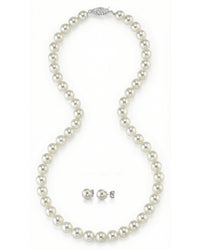
White Akoya Pearls – The classic pearl necklace or pearl earrings everyone thinks of when they picture elegance.
Timeless and versatile for any wardrobe
Perfect for everything from business meetings to weddings
A true heirloom piece you’ll treasure for a lifetime
Exotic Tahitian Pearls – Bold and mysterious, perfect if you love making a statement.
Dramatic dark tones with shimmering overtones
Ideal for evening events or a striking signature look
Adds sophistication and individuality to any collection
Golden South Sea Pearls – The ultimate in luxury and prestige.
Radiate warmth, opulence, and confidence
Best for milestone celebrations, galas, or high-profile occasions
A powerful choice for those who want to stand out in any room
Pink, Peach, and Lavender Pearls – Soft, romantic, and playful for everyday elegance.
Approachable hues that flatter all skin tones
Perfect for daytime wear, brunches, or casual chic
Add a feminine, youthful, and unique touch to your style
Oysters make colored pearls in a variety of ways, starting with the color of the outer edge of the shell — called the mollusk’s “lip.” For instance, Tahitian pearls get their light to dark charcoal grey colors from the black-lipped saltwater Tahitian pearl oyster, Pinctada margaritifera. Notice the grey to silvery hues present on the edge of the shell.
Another way pearls get their color is from microscopic pigments inside the conchiolin layer. Conchiolin is the organic “glue” that holds the crystalline aragonite layers together. Conchiolin cements these platelets together (think of the structure of a pearl as something like a brick wall, and the conchiolin is the cement).
When the conchiolin is pigmented with grey, brown, reddish-brown, black or other colors, this pigment shows through the thin crystalline layers to give the appearance of blue, grey, yellow, green, bronze, black pink and orange hues in the surface of the pearl.
Lastly, aragonite platelets are the semi-transparent, hexagonal-shaped, microns-thin crystals that make up the prismatic layers of the pearl. When white light strikes and penetrates the surface of the pearl and its layers, the light beam is refracted back at the viewer in its entire spectrum, allowing the viewer to see the colors red, orange, yellow, green, blue and violet. This phenomenon also heavily influences the pearl’s overtone, or faint iridescent colors that are visible over the body color of the pearl.
Learn how conchiolin and aragonite form to create pearl's most valuable attribute, luster: Guide to Pearl Nacre
Golden South Sea Pearls.Left: Medium Golden Tone with Light Rose OvertonesRight: Deep Golden South Sea pearl with Bronze and Green Overtones.
As you can see, each of the Golden South Sea pearls above displays varying shades of Golden body color intensity, however the overtone or faint iridescent color lying over the main body color influence the pearl’s overall color to the viewer. The pearl on the left shows a faintly blushing “warm” tone due to its Rose overtones, while the pearl on the right appears much “cooler” due to its Green and Bronze overtones.
While the science of pearls is still evolving, we now have a fairly good idea of how a pearl’s color is influenced both by its environment and by the host mollusk. These factors are what gives pearls natural colors ranging from white to chocolate as shown above in this article.
White Akoya pearls are perfect for classic formal looks and everyday office wear. Choose Tahitian pearls for to make a dark, daring statement. Opt for Golden South Sea pearls for the ultimate in rare luxury, and White South Sea pearls for a touch of regal opulence. Colorful Freshwater pearls like Pink, Lavender or Peach are perfect for adding a touch of feminine romance to everyday outfits.
Natural, non-treated pearl colors include white, cream, pink, peach, lavender, gray, black, blue and silver-blue among others. A pearl's natural color depends on the mollusk used to culture it as well as its environment, i.e. nutrients in the water, temperature and depth that the mollusks are kept.
Yes, blue pearls are very real! They are mainly Tahitians with strong blue-green overtones and rare natural blue Akoya pearls from Vietnam. Some White South Sea pearls can display strong silvery-blue overtones as well.
About the Author
Ashley McNamara, of PurePearls.com, is a GIA-certified expert in Pearls, Diamonds, and Colored Stones and widely recognized as “the expert’s expert” in the pearl industry. With over 20 years of experience, she contributed to the CPAA’s Pearls As One educational course and has been cited by major news outlets nationwide. Ashley's keen eye for color and luster make her a trusted source for classic and exotic pearls alike. Explore her bestselling collections here.

Stay up to date on our latest products, news, discounts, and more!
Free 2-Day FedEx on all orders within the USA. Overnight delivery options start at $35.
Most orders ship within 1-2 business days, sometimes same day.
International shipping is affordable and fast. Most international packages arrive in 2-4 business days.
Your package is fully insured. If your order is lost or stolen before delivery, we got you covered.
Our Pricing Explained
Luxury Grade Pearls. Lower Prices.
Luxury Grade Pearls.
Lower Prices.
The true value of pearls lies in their quality. We sell true luxury grade pearls without traditional luxury store markups.
We source the worlds finest pearls and sell direct to customers like you. You can expect to save about 1/2 the cost of traditional retail.


Pure Pearls Pricing

Traditional Retail Pricing